History & Culture
Zonguldak's heritage combines the Black Sea's ancient coastal settlements, mining history and the archaeology of Tios at Filyos.
History & Culture · Zonguldak
Zonguldak's urban identity is closely tied to the development of the coal basin in the western Black Sea region. According to the Provincial Directorate of Culture and Tourism, expanding mining activity helped shape settlements, employment and social life. Understanding the province therefore involves both its coastline and its industrial heritage.
The official visitor list includes the Zonguldak Mining Museum, Fener district, Uzunmehmet Monument and Şarjöman Rapid Pier in the central district. Karadeniz Ereğli offers the Ereğli Museum, Cehennemağzı Caves and Alemdar Museum Ship, while the Tieion archaeological site near Filyos in Çaycuma represents another layer of local history. These attractions are spread across districts; do not assume they are within walking distance of each other.
Families and students can combine museum visits with accessible introductions to mining and local history. Visitors interested in archaeology should check site access, guided visits and preservation rules with official institutions. The official attractions list currently marks the Kadıoğlu village mosaic excavation area as closed; it should not be presented as open for visits. Museum hours, tickets, temporary closures and accessibility arrangements must be confirmed before travelling.
Read the mining story from the harbour
After visiting the Mining Museum, walk down to the city waterfront. Exhibits on working life and coal production help explain the relationship between the harbour and the city. Respect photography rules and site boundaries while exploring.
Ancient sites and local memory
Plan the area around Tios in Filyos and the Karadeniz Ereğli Museum as separate stops. If you want to see both in one day, check opening times and transport between districts first. Reading the short official history of each site beforehand gives you more to look for on arrival.
Ancient settlements on the coast
The present-day city of Zonguldak and the ancient history of the province follow different timelines. Follow the ancient coastal story through Tios and Heraclea Pontica. Looking at Filyos and Karadeniz Ereğli together helps explain the place of the Black Sea shore in trading routes. Start with the geography. One settlement grew around the mouth of the Filyos River and the other on the coast of Ereğli.
Ancient Tios at Filyos
Tios is a coastal archaeological stop in Filyos, in the district of Çaycuma. To understand what made this a port town, begin by locating the sea and the river on the map. Check which areas are currently open to visitors. If excavations or maintenance limit access, finish your visit with a walk along the shore. Allow for the season and weather when planning time outdoors.
Karadeniz Ereğli Museum and Halil Paşa Mansion
The mansion that houses Ereğli Museum deserves as much attention as the collection. The visit brings together archaeological traces of the ancient city and objects connected with everyday life in the region. Check admission and opening arrangements ahead of time. Afterwards, walk down to the waterfront or save the second half of the day for Cehennemağzı.
Cehennemağzı Caves and the story of Heracles
The Cehennemağzı Caves in Ereğli bring the landscape and ancient storytelling together. The association with Heracles’ descent into the underworld is a mythological tradition. Read the interpretation signs for the reasons the caves feature on the heritage route. Check the ground and access conditions before visiting, and give the museum more time if the weather turns wet.
Mining, the harbour and the making of a city
Present-day Zonguldak grew as its hard-coal mines came into operation. As production increased, moving coal to the shore and shipping it became central to city life. The provincial history records construction of the harbour breakwater in 1893 and district status in 1899 as milestones. Zonguldak gained provincial status in the republican period. While exploring the city, look at how roads and the railway connect with the harbour.
Zonguldak Mining Museum and training mine
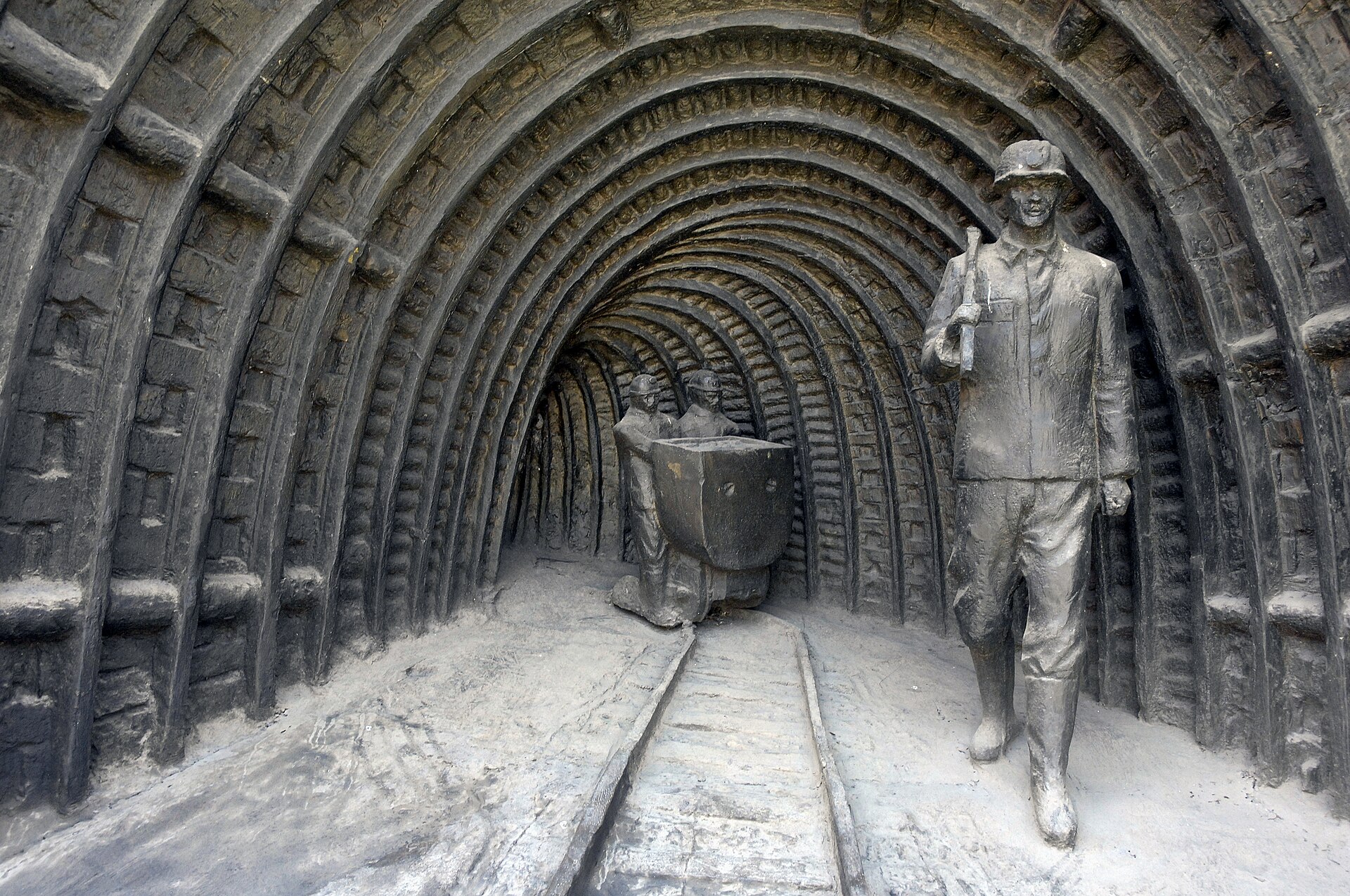
At the Mining Museum, learn how coal was extracted, what tools miners used and how the work shaped daily life. The training mine gives visitors a sense of the underground working environment. Confirm current access arrangements and any age or accessibility requirements with the museum. Afterwards, go down to the waterfront to link the production story with the harbour you see today.
Devrek walking sticks and Elpek cloth
Follow the province’s craft traditions beyond the museum. At Devrek’s walking-stick bazaar, production and sales share the same space. Ask a maker about the workmanship, materials and how a stick is prepared. Ereğli’s Elpek cloth offers another way into the region’s weaving traditions. When buying a locally made item, ask which steps of production happen nearby.
A one- or two-day heritage itinerary
With one day, combine the Mining Museum and a city waterfront walk. With two days, choose Filyos for an archaeology-focused day or Ereğli for the museum and caves. Save Devrek for a separate craft-focused visit if time allows. Start by checking opening arrangements and the return journey, then fit meals and walks around those anchors.
Explore the districts of Zonguldak
Open a district for ideas, directions and official local information.
Merkez
On a first visit, combine Fener, the port area and the Mining Museum. Looking down from Fener gives you a better sense of how the town spreads across the slopes. Allow a separate stop for Gökgöl Cave after your walk around the centre.
Karadeniz Ereğli
Pair a walk along the Ereğli waterfront with a museum visit. With more time, add Cehennemağzı Caves and the Alemdar museum ship. It is easy to take a break between the town centre and the shore. Check opening hours when planning the order of your stops.
Çaycuma
There is more to Çaycuma than the town centre. Make a separate stop in Filyos for the coast and ancient Tios. For a quieter outing among the trees, look into Göldağı Nature Park. If coming from the airport, choose your base around your onward route.
Alaplı
Head inland from Alaplı towards Gümeli and the terrain changes from coast to highlands. The Gümeli, Bölüklü and Bacaklı uplands and the monumental yew are good starting points for a day outdoors. Pick a stop to suit the weather and leave time for the return.
Devrek
Start in Devrek’s walking-stick makers’ bazaar. Take time to see how the sticks are made and how their designs vary. To add an outdoor stop, consider the Bostandüzü forest recreation area or Madencioğlu Waterfall as a separate part of the outing.
Gökçebey
Start in Gökçebey town centre, then look towards the Herkime houses and the area around Süzek Canyon. The route brings together rural architecture and valley scenery. If you plan to visit the canyon, check local notices for access and walking conditions.
Kilimli
Kilimli fits into a short coastal outing east of central Zonguldak. Start in the district centre and decide how you will get back before adding stops along the shore. If the city’s mining heritage caught your interest, this is another place to see how nearby settlements relate to the coast.
Kozlu
Kozlu makes a convenient stop west of central Zonguldak. For a short visit, spend your time around the district centre and nearby coast. If you are continuing towards Ereğli, add Kozlu to that same westbound journey to avoid doubling back.
Explore the Zonguldak Guide
Choose from 15 main topics to discover the city and local life.
15 GUIDES TO ZONGULDAK